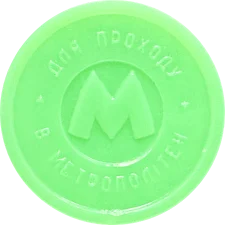
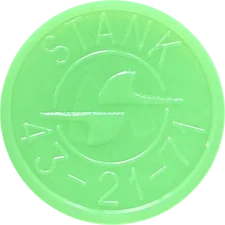
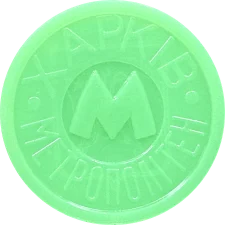
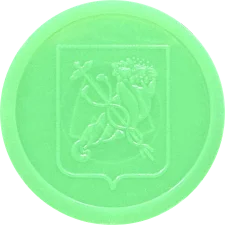
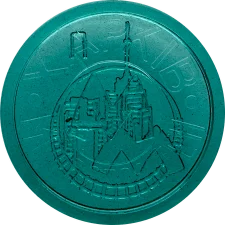
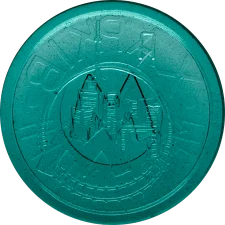
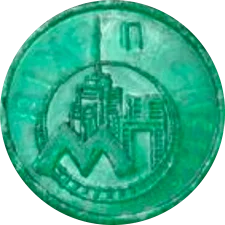
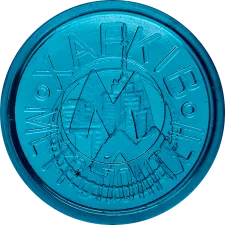
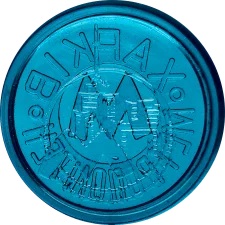
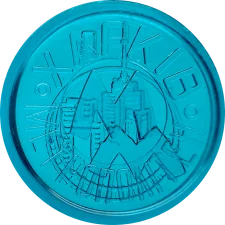
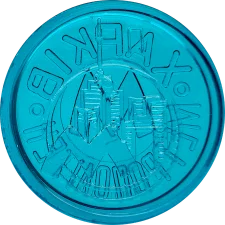
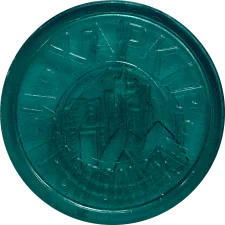
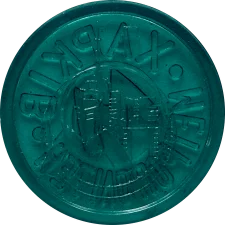
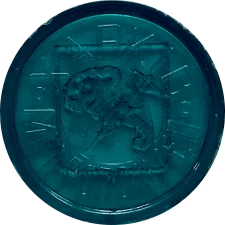
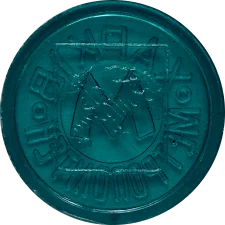
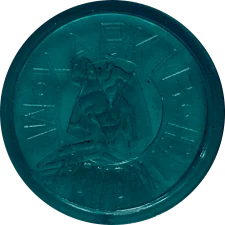
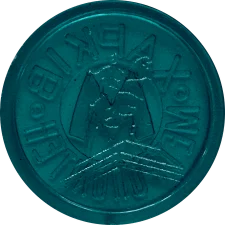
This catalog presents metal tokens of the Kyiv metro.
- The first tokens of the Kyiv metro (large ~ 21.2 mm in diameter) began to be used on October 1, 1992.
- On June 5, 1993, tokens of a smaller diameter (~ 17.1 mm) began to be used.
- And on April 20, 1994, blue plastic tokens began to be used.
Tokens were purchased at metro ticket offices (then also in special token vending machines) and inserted into automatic turnstiles at stations to pay for the fare.
You can learn more about the variety of Kyiv metro tokens in the catalog book by Igor Bartoshuk "Metropolitan Tokens of Cities in the USSR" (Russian language).
This catalog presents plastic tokens for the Kyiv metro.
Generally, only blue or green tokens were used (there are many shades), and tokens of other colors were not used for metro travel.
Below are the dates of the introduction of tokens or when the payment tariff was changed (and after some time green or blue tokens began to be used):
- blue tokens: 04/20/1994 — 03/18/2000
- green tokens: 03/19/2000 — 11/03/2008
- blue tokens: 11/04/2008 — 02/06/2015 (blue anniversary tokens from 10/03/2011)
- green tokens: 02/07/2015 — 07/14/2017 (07/31/2017)
- blue tokens: 07/15/2017(08/01/2017) — 07/13/2018
- green tokens: 07/14/2018 — 06/25/2020 (07/1/2020)
You can learn more about the varieties of Kyiv metro tokens in Igor Bartoshuk's book catalog "Metropolitan Tokens of Cities in the USSR" (Russian language, the 2005 catalog includes tokens that were manufactured up to and including 2005).
Kyiv plastic token type codes:
Mx.Ry.Kz.color and Ox1.Kz.color:
x - image type of the central letter M,
y - image type of the obverse ring inscription (Ring),
z - image type on the reverse,
x1 - image type on the obverse.
color:
OB - opaque blue,
OG - opaque green,
Gray - gray.
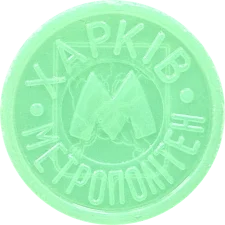
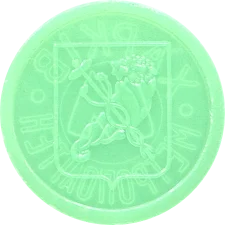
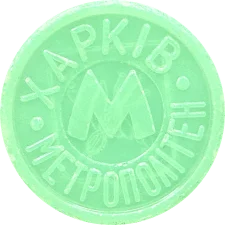
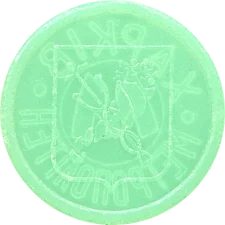
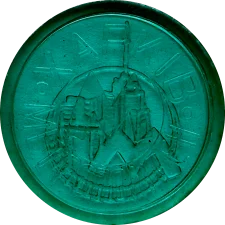
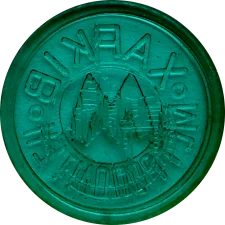
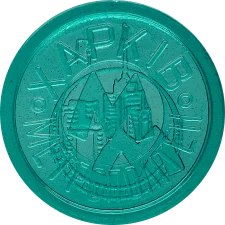
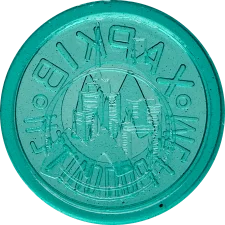
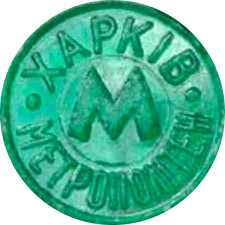
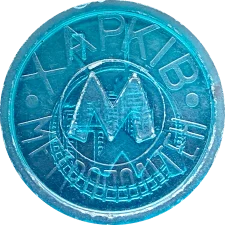
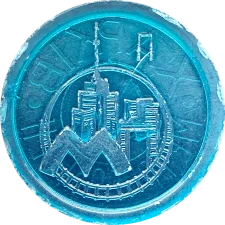
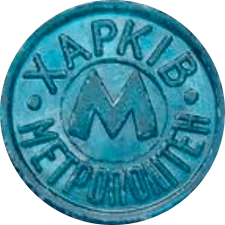
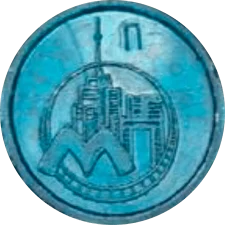
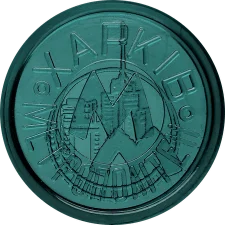
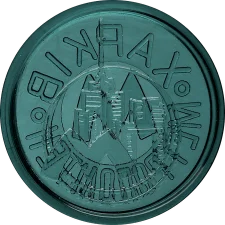
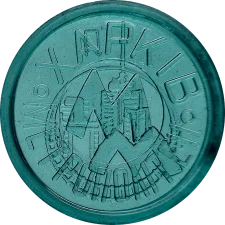
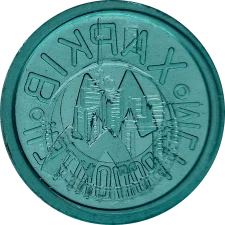
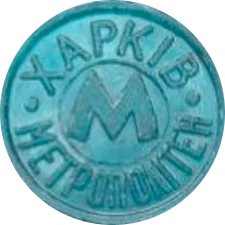
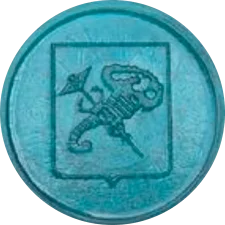
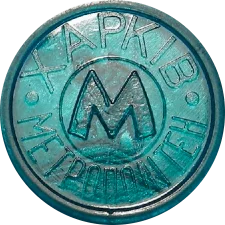
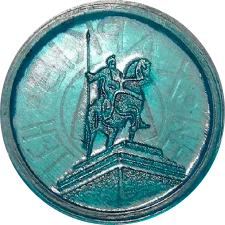
This catalog features plastic metro tokens from the city of Kharkiv.
Tokens were used from June 1, 1992 to October 10, 2012. From April 24, 2012, paper tickets with a barcode began to be used for passage at metro stations, first in parallel with tokens, and then instead of tokens.
At different times, tokens of the following colors were used:
1) transparent orange (from June 1, 1992),
2) opaque orange (from December 26, 1992),
3) opaque light green (from January 29, 1996),
4) transparent blue-green, can be divided into 4 more colors:
4.1) transparent green (from June 8, 2000),
4.2) transparent blue (from 14 February 2009),
4.3) transparent sea wave (from the 4th quarter of 2010),
4.4) transparent blue-green (from 28 January 2012, EURO 2012).
You can learn more about the history and production of Kharkiv metro tokens in the book-catalog by Gambarian Grygorii "Kharkiv Metro Tokens: History, Technology, Classification" (Russian language).
Link to PDF catalog (version 2.3, 2026) - https://books.uatokens.com/Tokens%20of%20the%20Kharkiv%20subway%20v2.3.pdf
Kharkiv token type code:
Mx.Ry.KHz.color:
x - type of image of the central letter M,
y - type of image of the obverse ring inscription (Ring),
z - type of image on the reverse,
color:
TO - transparent orange,
OO - opaque orange,
OG - opaque light green,
TG - transparent green,
TB - transparent blue,
TM - transparent green-marine,
TBG - transparent blue-green.
This is the largest catalog of Ukrainian car wash tokens I know of. The catalog features more than 55 self-service car wash tokens that have been used or are currently being used in Ukraine.
Examples of defective tokens and a token that was never approved for use are also presented. However, some tokens from foreign manufacturers (Kärcher and others) were not included, as these tokens were originally used in other countries.
The catalog features tokens from cafes, breweries, restaurants, events, and other establishments. It also includes tokens related to this theme, but whose origin, time, or place of use could not be identified.
This catalog features tokens that provided discounts on purchases or had a cash equivalent. Some tokens were used alongside banknotes (which are not included in the catalog).
LARP (Live Action Role-Playing) is a live-action role-playing game. Players wear costumes, take on fake weapons, and physically play the roles of fictional characters in a real space, living out fantasy, science fiction, or historical reenactment stories.
This catalog features all other non-souvenir tokens that are not included in other catalogs, as well as some tokens with an undefined status and functionality.